
Digital Phenotyping and Personalized Health
How can continuous physiological and multimodal biological data be transformed into reproducible digital phenotypes for personalized medicine?
Our projects aim to establish the rigorous methodological foundations of digital biostatistics while demonstrating their practical value in biomedical research, clinical practice, and population health. Our goal is to develop the statistical methods required to transform continuous, longitudinal, and multimodal health data into reliable biomedical knowledge and clinically meaningful decisions. We organize this work around three interconnected research programs, with the overarching goal of generating real-world impact in metabolic health, diabetes care and personalized nutrition.
How can continuous physiological and multimodal biological data be transformed into reproducible digital phenotypes for personalized medicine?
Can near-continuous digital measurements detect clinically meaningful changes before conventional clinical assessments?
How can digital health data improve population-level surveillance, prevention, and healthcare planning?
Our research is structured around a set of open methodological, applied, and clinical questions. These questions guide the development of new statistical theory while ensuring that the resulting methods address consequential problems in medicine and public health.
How can e-values be developed into a general framework for large-scale multiple-hypothesis testing in high-dimensional digital health studies?
How can conformal prediction be extended to multilevel and random-effects models while preserving meaningful marginal and conditional coverage guarantees?
How can we construct predictive regions for random objects in metric spaces that provide strong conditional coverage guarantees without relying on restrictive smoothness assumptions?
What theoretical guarantees can be established for deep-learning algorithms operating on general non-Euclidean spaces, without assuming that the observations lie on a smooth manifold, and motivated by modern digital health applications?
What mathematical and statistical foundations are needed to establish distributional data analysis as a rigorous, interpretable, and broadly applicable framework for digital health?
Alongside these methodological challenges, we investigate major applied questions through which advanced statistical methods could produce tangible clinical and biomedical value.
Can digital phenotypes reveal genetic associations that conventional clinical biomarkers fail to detect?
Can glucodensity and related distributional representations be validated as robust, reproducible, and more informative digital biomarkers of metabolic health?
What role does glucose variability play in the relationship between the microbiome and metabolic health, and how can continuous glucose-monitoring data improve its characterization?
How are continuous glucose-monitoring phenotypes associated with diabetic retinopathy and other microvascular complications?
How should continuous physiological signals be transformed into clinically meaningful and reproducible digital phenotypes, and what is required to establish a rigorous framework for CGM-based phenotyping in populations without diabetes?
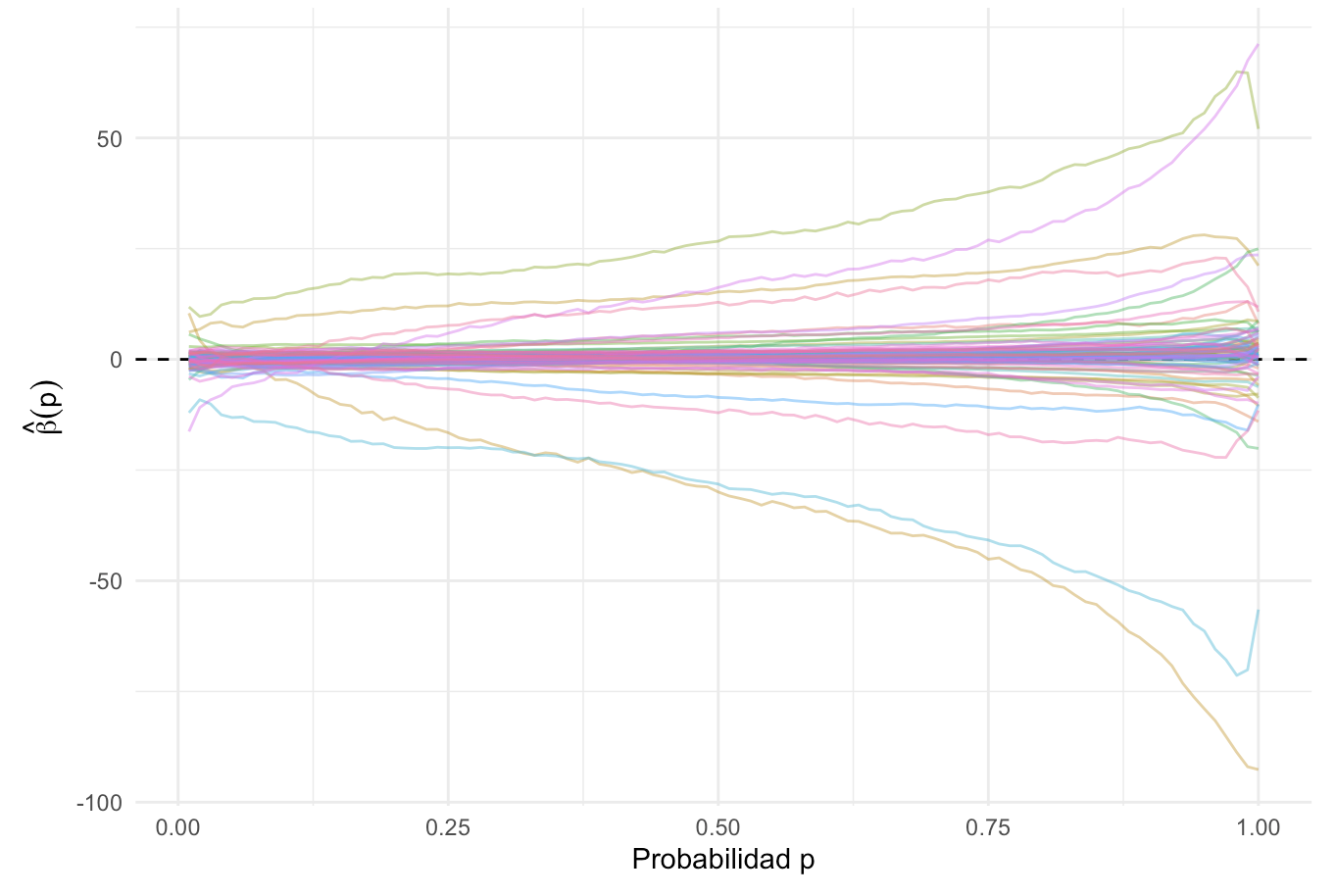
Developing statistical AI models to integrate multimodal digital health, medical imaging, genomic, and microbiome data from the Human Phenotype Project, with applications to retinopathy risk, glucose metabolism, and functional digital health phenotypes.
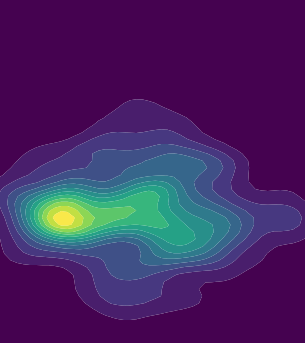
Developing spatiotemporal statistical and machine learning methods to analyse digital health data from wearable devices, CGM systems, and electronic health records, with the goal of mapping diabetes risk and metabolic control across space and time.
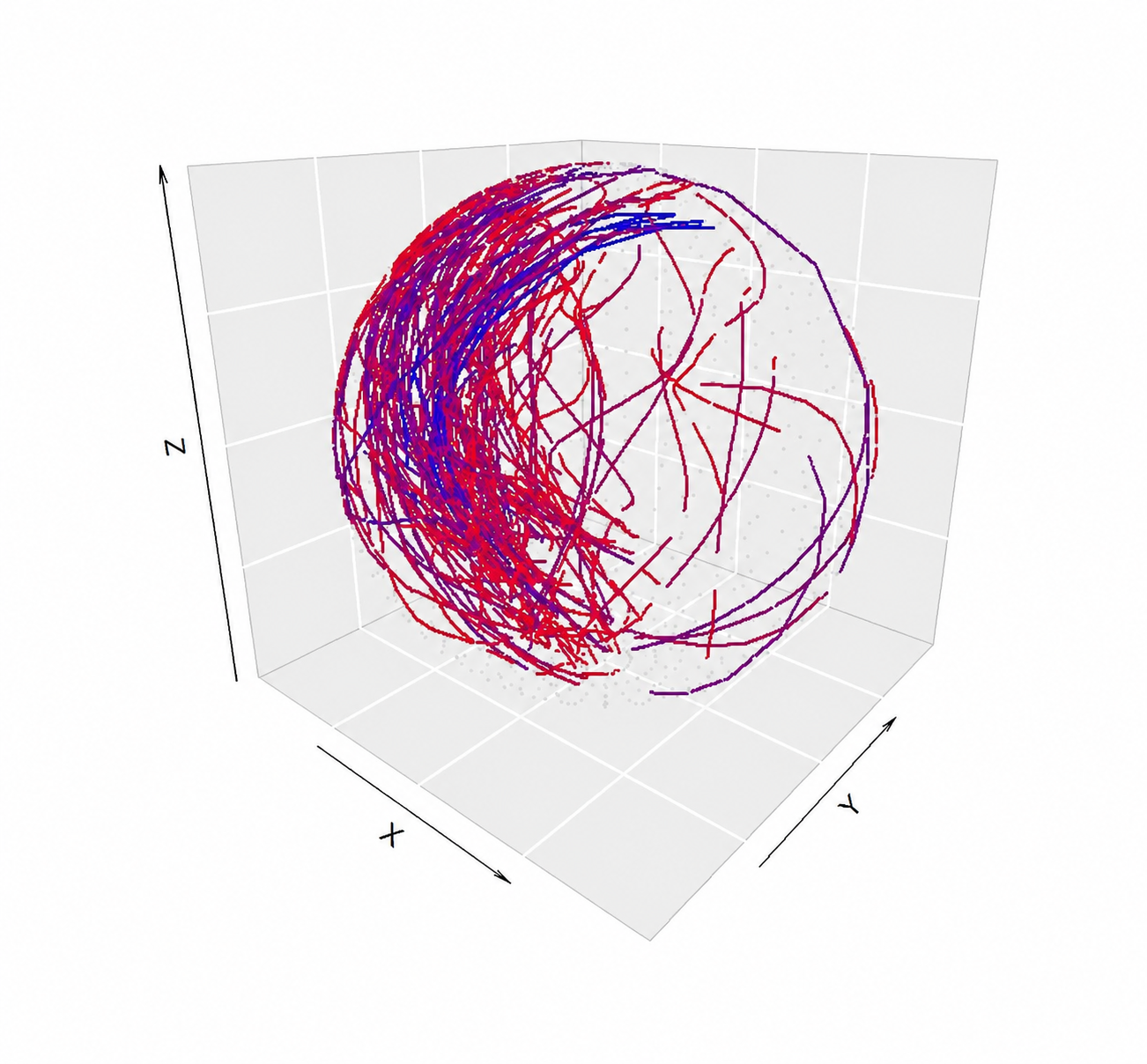
Developing functional and distributional biomarkers from near-continuous hand-movement data to improve the monitoring of ALS progression and the prediction of survival.